
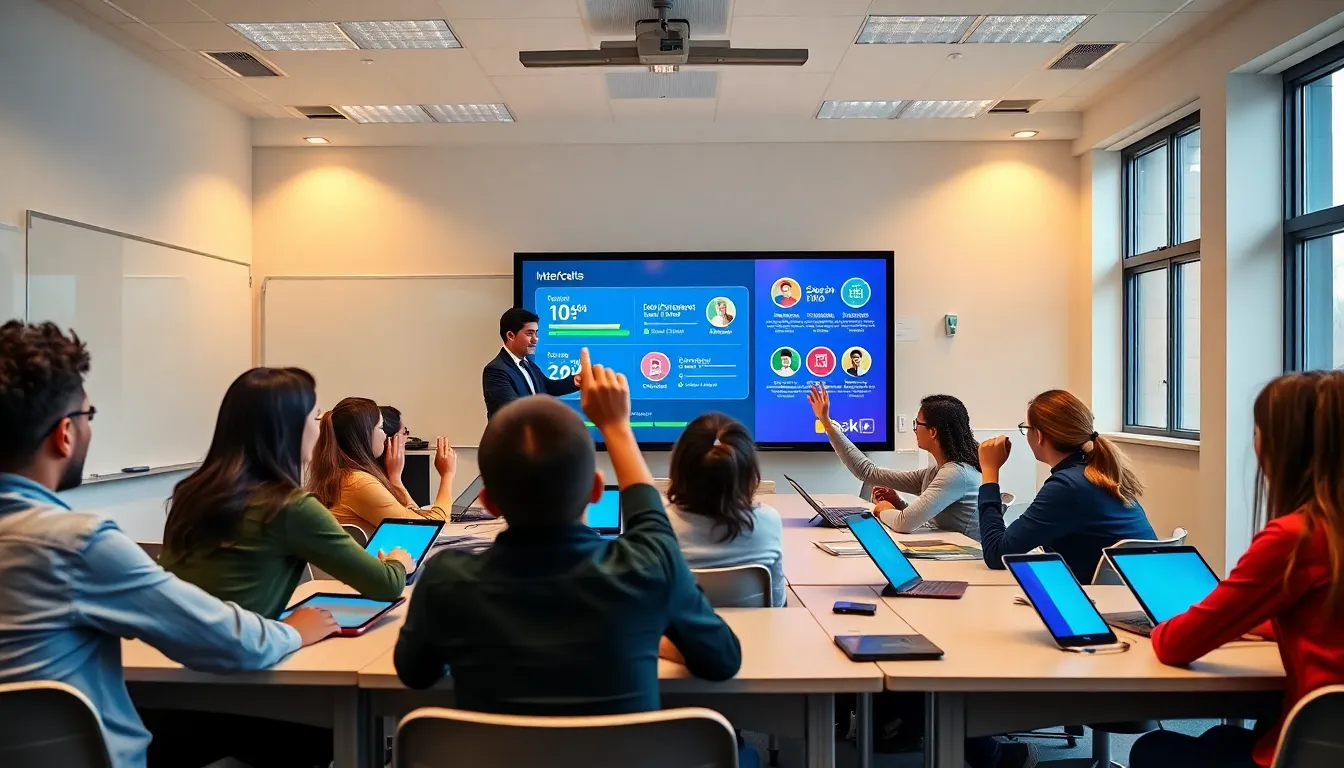
EdTech techniques have changed how students learn and how teachers teach. These modern strategies use technology to create better educational experiences. Schools, universities, and corporate training programs now rely on digital tools to engage learners and improve outcomes.
The shift toward technology-driven education accelerated in recent years. Students expect interactive content. Teachers need efficient ways to track progress and personalize instruction. EdTech techniques answer both demands. From gamified lessons to adaptive learning platforms, these methods make education more accessible and effective.
This article explores the most impactful edtech techniques used today. Each section covers a specific strategy, its benefits, and how educators apply it in real classrooms and training environments.
Table of Contents
ToggleKey Takeaways
- EdTech techniques like interactive tools, gamification, and adaptive learning platforms are transforming how students engage with educational content.
- Interactive learning platforms increase student participation by up to 23% and improve test scores by 12% compared to traditional methods.
- Gamification boosts motivation by 34% and learning outcomes by 14% by applying game mechanics like points, badges, and leaderboards to education.
- Adaptive technology personalizes learning by adjusting content difficulty based on individual student performance, ensuring no one falls behind.
- Video-based instruction and the flipped classroom model maximize active learning time while accommodating different learning preferences.
- Collaboration tools like Google Workspace and Microsoft Teams prepare students for modern workplaces while enabling seamless group work and communication.
Interactive Learning Tools and Platforms
Interactive learning tools form the foundation of modern edtech techniques. These platforms let students engage directly with content instead of passively reading or listening. The result? Better retention and deeper understanding.
Popular interactive tools include virtual whiteboards, quiz platforms, and simulation software. Platforms like Kahoot., Nearpod, and Pear Deck turn lectures into two-way conversations. Students answer questions in real time, participate in polls, and collaborate on shared documents.
The benefits of interactive learning tools extend beyond engagement. Teachers gain instant feedback on student comprehension. They can identify struggling students immediately and adjust their approach. This real-time data makes instruction more responsive and effective.
Interactive platforms also support different learning styles. Visual learners benefit from diagrams and videos embedded in lessons. Kinesthetic learners interact with drag-and-drop activities. Auditory learners access narrated content. These edtech techniques accommodate diverse needs within a single lesson.
Schools report measurable improvements after adopting interactive tools. One 2023 study found that classrooms using interactive platforms saw a 23% increase in student participation. Test scores improved by an average of 12% compared to traditional instruction methods.
Gamification in Education
Gamification applies game mechanics to educational content. Points, badges, leaderboards, and progress bars motivate students to complete tasks and master skills. This edtech technique taps into natural human drives for achievement and competition.
Duolingo stands as a prime example of successful gamification. The language-learning app uses streaks, experience points, and levels to keep users engaged. Millions of people return daily to maintain their streaks and earn rewards. The same principles work in formal education settings.
Teachers use gamification to make difficult subjects more approachable. Math problems become quests. Reading assignments earn experience points. Students compete on class leaderboards for top scores. The added layer of play transforms assignments from a chore into a challenge.
Effective gamification requires balance. Too many rewards can feel hollow. Too few leave students unmotivated. The best edtech techniques using gamification tie rewards to genuine learning milestones. Students earn badges for mastering concepts, not just completing busy work.
Research supports gamification’s effectiveness. A meta-analysis of 42 studies found that gamified learning increased motivation by 34% and improved learning outcomes by 14%. These numbers explain why edtech techniques involving game mechanics continue to grow in popularity.
Personalized Learning Through Adaptive Technology
Adaptive technology represents one of the most powerful edtech techniques available today. These systems adjust content difficulty and pacing based on individual student performance. Every learner gets a custom experience.
Adaptive platforms use algorithms to analyze student responses. When a student struggles with fractions, the system provides additional practice problems at that level. When another student masters the same concept quickly, they move ahead to more challenging material. No one waits. No one falls behind unnoticed.
Khan Academy pioneered this approach for mainstream education. Their adaptive practice system identifies knowledge gaps and recommends specific lessons. Other platforms like DreamBox and IXL use similar edtech techniques to personalize math instruction.
The benefits extend to teachers as well. Adaptive systems generate detailed reports on each student’s progress. Teachers see exactly which concepts need reinforcement during class time. This data-driven approach makes instruction more targeted and efficient.
Personalized learning through adaptive technology addresses a long-standing problem in education. Traditional classrooms move at one pace. Some students need more time. Others need more challenge. Adaptive edtech techniques solve this problem at scale.
Video-Based and Multimedia Instruction
Video-based learning has become central to modern edtech techniques. Platforms like YouTube, Loom, and Edpuzzle deliver instruction in formats students prefer. Short videos explain concepts clearly. Multimedia elements reinforce key points.
The flipped classroom model relies heavily on video instruction. Students watch lesson videos at home, then use class time for practice and discussion. This approach maximizes face-to-face time for active learning rather than passive lectures.
Effective educational videos share common traits. They run under 10 minutes. They use visuals to illustrate abstract concepts. They include pauses for reflection or practice. Interactive video platforms like Edpuzzle add questions directly into videos, turning passive viewing into active learning.
Multimedia instruction extends beyond video. Podcasts deliver content during commutes. Infographics summarize complex information visually. Interactive simulations let students experiment with virtual labs. These edtech techniques meet learners where they are.
Accessibility matters in video-based learning. Captions help deaf and hard-of-hearing students. Transcripts support those who prefer reading. Playback speed controls let students review difficult sections or accelerate through familiar material. Good edtech techniques consider all learners.
Collaboration and Communication Technologies
Collaboration tools enable students to work together regardless of location. Google Workspace, Microsoft Teams, and Slack bring communication features to educational settings. These edtech techniques prepare students for modern workplaces while enhancing learning.
Group projects benefit most from collaboration platforms. Students share documents, assign tasks, and track progress in one place. Teachers monitor group dynamics and contribution levels. No more wondering who did the work.
Discussion forums and chat tools extend learning beyond class hours. Students ask questions when they arise, not just during office hours. Peers help each other understand difficult material. This ongoing conversation deepens comprehension.
Video conferencing transformed education during the pandemic and remains essential. Remote students attend live classes. Guest speakers join from anywhere. Study groups meet without geographic limits. These edtech techniques make education more flexible and accessible.
Communication technologies also strengthen teacher-student relationships. Quick messages replace formal emails. Progress updates reach parents instantly. The barriers between school and home shrink. Students feel supported throughout their learning journey.

